What humidity levels are suitable for moss wall art
Preserved moss wall art requires a specific humidity range to stay at its best. The ideal relative humidity for preserved moss is between 30% and 60%. Below 30%, the moss can become brittle and lose its soft texture. Above 60%, the risk of moisture-related issues like mold growth or color fading increases. Keeping your indoor environment within this sweet spot will help the moss retain its natural look and feel for years.
Why humidity matters for preserved moss
Preserved moss is not a living plant. It has been treated with a glycerin-based solution that replaces the natural moisture inside the cells. This process keeps the moss soft, supple, and vibrant without needing water or soil. However, the preservation treatment does not make the moss immune to environmental conditions. Humidity directly affects the balance of moisture inside the preserved cells.
When the air is too dry, the glycerin can slowly evaporate or migrate out of the moss. The result is a stiff, crisp texture that feels more like dry leaves than lush moss. The color may also start to look faded or dusty. On the other hand, excessive humidity can cause the glycerin to attract and hold too much water from the air. This creates a damp environment on the moss surface where mold spores or mildew can take hold. Even if mold does not appear, the excess moisture can make the colors run or look blotchy.
Common indoor humidity levels
Most homes and offices have humidity levels that fall within the suitable range during normal weather. But seasonal changes and specific rooms can push the levels outside the ideal zone. For example, a heated room in winter can have humidity as low as 15-20%. A bathroom after a hot shower can spike to 70-80% or higher. Kitchens, basements, and rooms with poor ventilation also tend to have higher humidity.
If you are unsure about the humidity where your moss wall art will be placed, a small digital hygrometer is an inexpensive and simple tool. It gives you a real-time reading so you can see if adjustments are needed. Many people place a hygrometer near the moss art and check it during different times of the day or across seasons to get a reliable picture.
What happens when humidity is too low
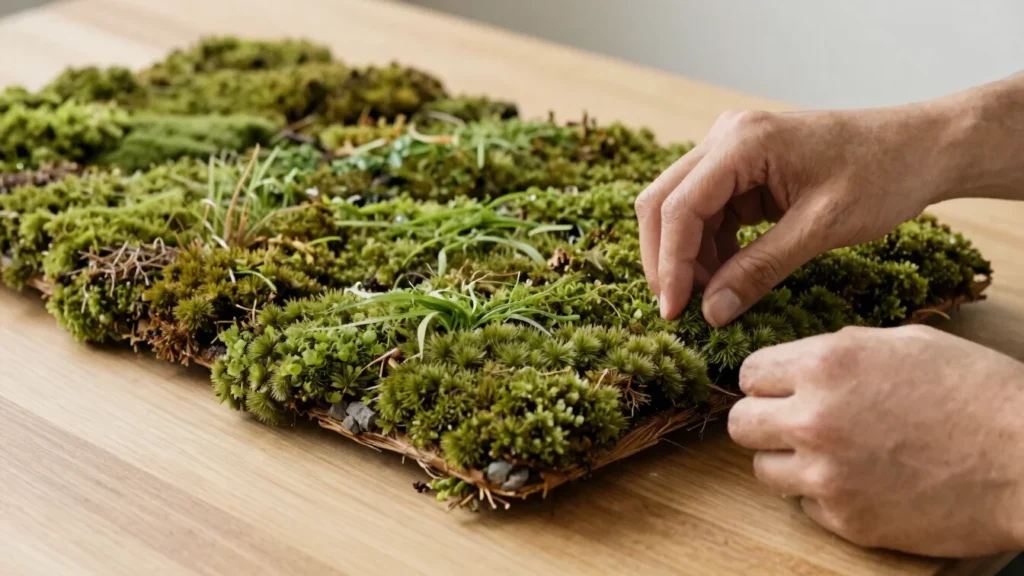
Low humidity is the more common challenge for preserved moss wall art. The moss starts to dry out, and its texture becomes scratchy or brittle. You might notice small pieces breaking off when you brush against it. The color can shift from deep greens to a paler, yellowish tone. In severe cases, the moss may shrink or curl at the edges.
If your room is consistently below 30% humidity, consider using a room humidifier. A small unit near the moss art can raise the local humidity by 10-20 percentage points. Another approach is to place a shallow tray of water near the piece, though this is less effective in a large, dry space. Avoid misting or spraying water directly on the moss. That adds liquid moisture unevenly and can damage the preservation treatment over time.
What happens when humidity is too high
High humidity is the other risk. When the air holds more than 60% relative humidity, the preserved moss can absorb excess moisture. The most immediate sign is a change in texture: the moss feels damp or sticky. Over time, you may see dark spots, discoloration, or a musty smell. Mold is a real possibility in persistently humid conditions.
To lower humidity, improve ventilation in the room. Open windows when weather permits, or use an exhaust fan in bathrooms and kitchens. A dehumidifier is the most effective tool for reducing overall humidity. If the problem is localized, such as in a small bathroom, simply leaving the door open after a shower can help the moisture dissipate. Keep the moss wall art away from direct sources of steam, like a boiling kettle or a shower head.
How to maintain the right humidity for your moss art
Creating a stable indoor environment is the best way to protect your preserved moss wall art. Here are a few practical steps you can take:
- Place the moss art away from windows, air conditioning vents, heaters, and radiators. These areas experience rapid temperature and humidity changes.
- Use a hygrometer to monitor the humidity around the piece. Check it weekly, especially during seasonal transitions.
- In dry conditions, run a humidifier in the same room. Aim to keep the humidity between 30% and 50%.
- In damp conditions, use a dehumidifier or improve airflow with a fan.
- Dust the moss occasionally with a soft brush or a gentle stream of compressed air. This keeps the surface clean and helps you spot any changes early.
These steps are simple and do not require special equipment beyond what most households already have. The key is to be observant and make small adjustments before small issues become bigger problems.

Does the type of moss matter
Different moss species have slightly different tolerance for humidity. For example, flat moss varieties like sheet moss or mood moss tend to hold their color well across a range of conditions. Fluffy moss types, such as reindeer moss, are more sensitive to low humidity and can become brittle faster. However, all preserved moss benefits from staying within the 30-60% range. The preservation treatment already standardizes much of the moss's behavior, so you do not need to worry about species-specific care for basic maintenance.
If you are building your own moss wall art from a kit or assembling a custom piece, the same guidelines apply. The backing material and the adhesive used can also be affected by extreme humidity. A very dry environment may cause the adhesive to become brittle or lose its grip. Very humid conditions can weaken the bond over time. Keeping the overall humidity in the right range helps the entire piece stay intact.
What about direct sunlight and airflow
Humidity is not the only factor that influences preserved moss. Direct sunlight can speed up color fading, especially in bright windows. UV rays break down the dyes and the natural pigments over time. Even with proper humidity, a moss piece in full sun will lose its rich green color faster than one in indirect light.
Airflow also matters. Stagnant air can trap moisture close to the moss surface, creating microclimates that are more humid than the rest of the room. A gentle ceiling fan or an open window can keep the air moving and prevent moisture from settling. Just avoid pointing a fan directly at the moss, which can cause localized drying.
For a balanced indoor environment that supports preserved moss wall art, many people find that their living room, home office, or a hallway with moderate lighting works well. Bedrooms can also be suitable if the humidity stays stable overnight. Spaces like an unheated garage, a damp basement, or a sunny conservatory tend to push the moss outside its comfort zone.
Checking your specific space
Before installing a preserved moss wall art piece, it is worth spending a few days monitoring the humidity in the intended location. Record the readings at different times of day and after activities like cooking or showering. This gives you a realistic sense of the extremes the moss will experience. If the readings consistently fall below 30% or above 60%, you can adjust the room conditions or choose a different spot.
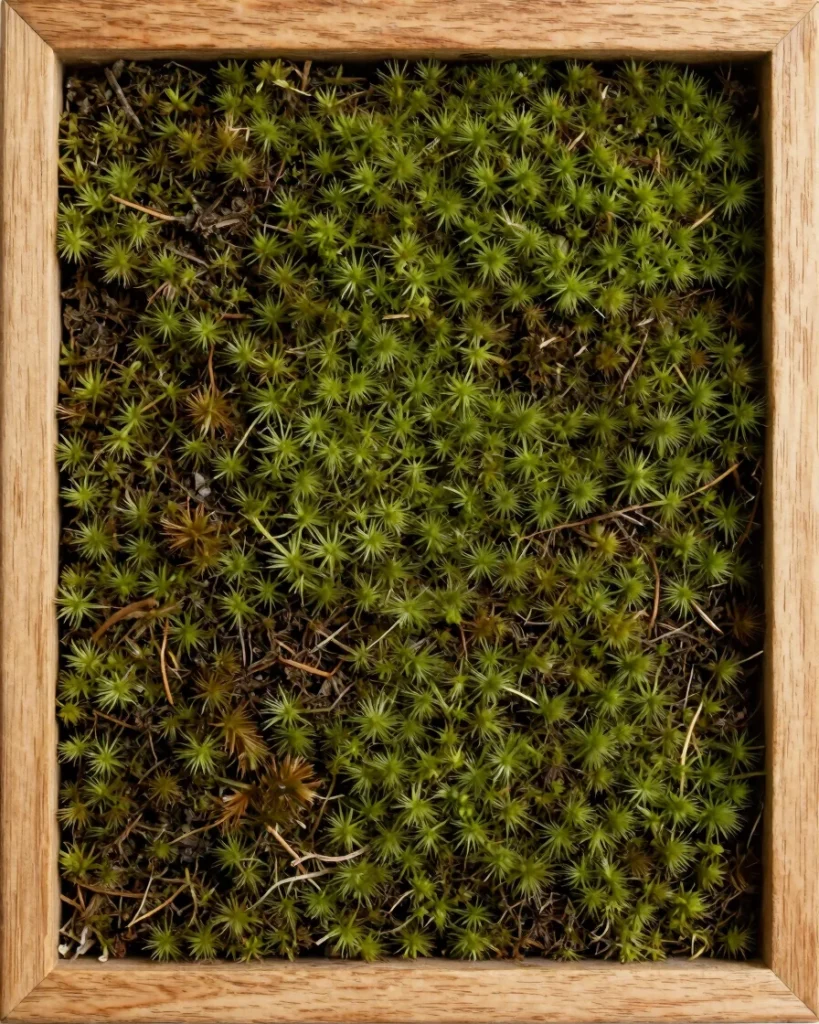
A well-placed hygrometer can also alert you to seasonal shifts. For example, winter heating often dries out the air in many homes. A humidifier used only during those months can keep the moss safe. In summer, a dehumidifier or air conditioner may be needed to keep humidity from climbing too high. The cost of a small humidifier or dehumidifier is minimal compared to replacing a moss art piece that has been damaged by poor conditions.
If you are looking for more detailed guidance on setting up a preserved moss display, the site mosswallart.design offers practical resources for creating and styling moss wall art. Their guides cover everything from choosing the right moss to assembling the piece. The information there can help you understand how humidity fits into the overall care of your moss art.
In summary, the suitable humidity range for preserved moss wall art is 30% to 60% relative humidity. Staying within this range protects the moss's texture, color stability, and overall appearance. Monitoring your space with a hygrometer and making small adjustments with a humidifier or dehumidifier will keep your moss looking fresh for years. Avoid extremes of dryness or dampness, and your moss wall art will remain a beautiful, low-maintenance feature in your home or office.